

If you’ve noticed your child starting to struggle as the school year wraps up, maybe they’re more irritable, having meltdowns, or anxious about things they usually handle well, you’re not alone. For many kids with anxiety, this time of year can be especially tough.
Why Transitions Are Hard for Anxious Kids
The end of the school year brings change. And for anxious children, change often triggers discomfort. They’ve spent months immersed in a consistent routine, attending school, seeing familiar faces, following a predictable daily rhythm. When that disappears, the sudden lack of structure can feel disorienting.

Summer often introduces more unstructured time and greater unpredictability. For kids who rely on routines to feel safe, this can spike anxiety. It’s not just about losing the schedule-it’s about facing the unknown: Who will I spend time with? What will each day look like? When will I go to bed? Will the kids in camp like me? Will my counselors be nice? Will I like camp? These seemingly small questions can feel overwhelming.
Research consistently shows that predictable routines help reduce anxiety in children (e.g., Spagnola & Fiese, 2007). When those routines fall away, stress often increases.
Talk to a Child Anxiety Specialist Now
Signs You Might Not Recognize
Anxiety doesn’t always present as worry or fear. It might look like irritability, defiance, meltdowns, or even physical symptoms like headaches or stomachaches. Your child might avoid activities they normally enjoy or become more clingy than usual. These behaviors can be signs of anxiety brewing beneath the surface. your child may be seeking your reassurance all the time.
What Often Happens
As the school year winds down, stress levels rise for everyone. Kids might become more irritable, oppositional, overly sensitive, melting down over small things, or refusing to follow routines. Parents already stretched thin with end of the year obligations, work stress, and planning for summer are often running on empty themselves. In the heat of the moment, it’s common for parents to lose their temper. They might yell, threaten consequences, or fall back on discipline strategies that usually “work” but don’t seem to anymore. Understandably, it feels like your child is being difficult on purpose. So, what’s actually happening is often missed. Anxiety is fueling the behavior and when you respond with anger and control, it tends to escalate further instead of calming them down.
What You Can Do: A Collaborative, Practical Approach
A collaborative, research-informed parenting approach can make a meaningful difference. When parents work with-not against-their child’s emotions, they help build trust and resilience and the skills they need to cope with anxiety in the future.
Validate How They Feel
Begin by acknowledging your child’s experience without immediately trying to change or fix it. Saying something like, “I get that this feels hard for you,” helps your child feel understood. Effective validation doesn’t mean agreeing with their emotional conclusions or behavior-it means recognizing and accepting that their feelings are real and hard for them.
Many parents hesitate to validate because they worry it reinforces anxious behavior. But in reality, validation helps kids feel safe and understood, which can actually reduce distress. Research shows that when children feel emotionally validated, they’re more open to problem-solving and support (Shenk & Fruzzetti, 2011).
Avoid Accommodating Anxiety
Anxious kids often seek to avoid situations that make them uncomfortable-but avoiding those situations only strengthens the anxiety. When parents accommodate by allowing the child to skip a camp activity or stay home from a playdate, the message can become: “You’re right-this really is too scary.” Instead, encourage your child to face the situation while offering calm support.
Reach Out to Our Team Today
Communicate Confidence in Their Abilities
Let your child know that while you see their struggle, you also believe they’re capable of handling it. Say things like, “This is hard, and I know you can do it.” That message builds resilience, confidence, and trust in their own coping skills.
Help Them See What’s Coming
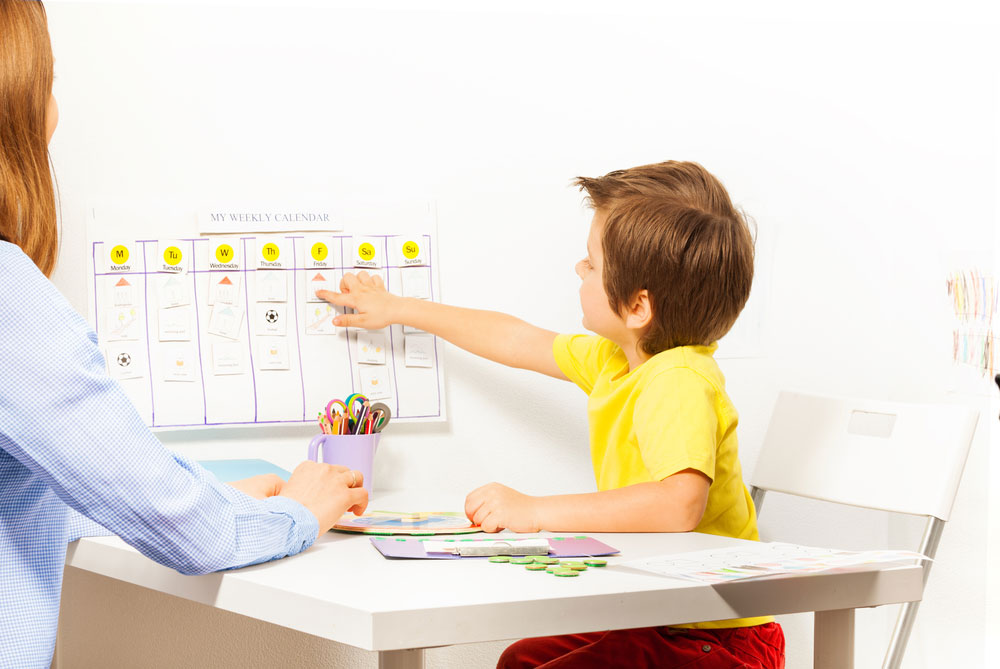
Predictability soothes anxious minds. Use calendars, countdowns, visual schedules, or simply talk through the week ahead. Previewing what’s coming-especially big transitions-helps reduce anxiety by making the unknown feel more known.
Keep Some Structure
Summer doesn’t need to be tightly scheduled, but maintaining some daily rhythm can anchor your child. Set consistent mealtimes, bedtimes, and a few recurring weekly activities to create a sense of stability.
Studies show that when parents use collaborative, CBT-based strategies, children experience reduced anxiety and improved emotional regulation.

When to Get Extra Support
If your child’s anxiety is interfering with sleep, school, friendships, or daily life-or if you’re feeling stuck-it may be time to seek professional support. Early intervention is associated with better outcomes and prevents issues from escalating (Walkup et al., 2008).

You’re Not Alone
This time of year can be challenging, but you don’t have to manage it alone. Our practice offers therapy and parent coaching based on collaborative, evidence-based approaches tailored to each child’s needs. Feel free to reach out-we’re here to help.
Part 2 will discuss how to proactively and collaboratively you teach your child to develop problem solving and coping skills for anxiety.


