

A Four-Component Approach That Helps Children Return to School Successfully Introduction
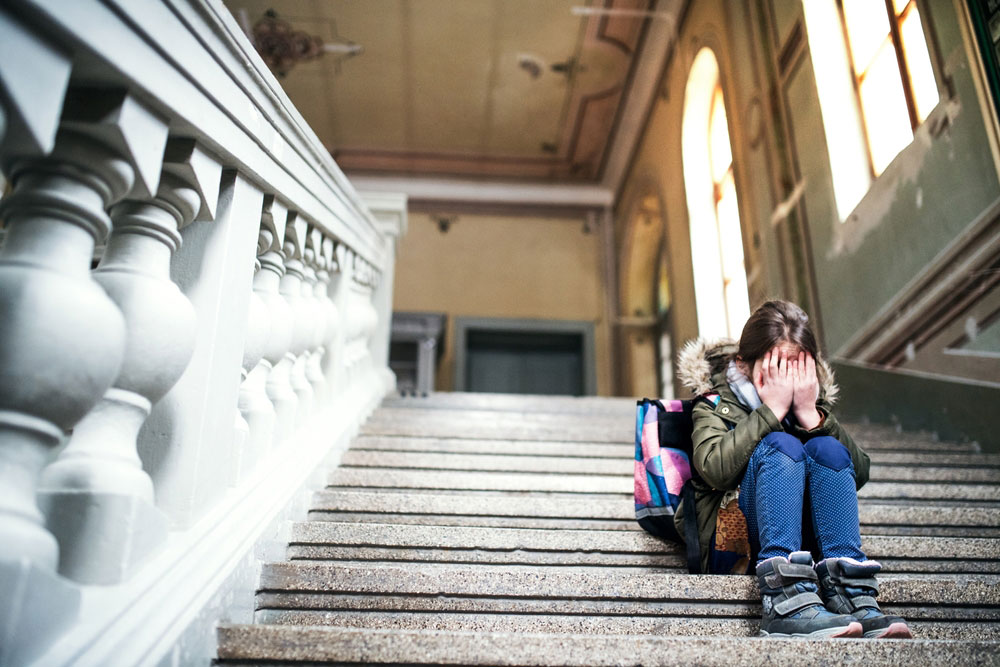
If your child is crying, refusing to get dressed, complaining of stomachaches, or completely shutting down at the mention of school, you are not alone and this problem is highly treatable. School refusal is more than an occasional difficult morning it is a pattern of intense distress that can disrupt a child’s emotional health, academic progress, and family functioning. When a child refuses to go to school, parents often find themselves scrambling: rearranging work schedules, managing younger siblings who also want to stay home, and worrying about their child’s anxiety, learning, and social development. Over time, children who remain home frequently become bored, frustrated, and increasingly dysregulated, which further complicates the situation.
The good news is that school refusal is highly treatable. Decades of research in child psychology have identified effective, evidence-based interventions. Treatment typically consists of four core components:
-
- Exposure
- Parenting interventions
- Emotional regulation skills
- Medication (when clinically indicated)
This article is designed to help parents understand school refusal and how it is treated. While this overview is informative, it is not a substitute for professional care. School refusal should be addressed with the support of a qualified mental health professional experienced in pediatric anxiety.
What Is School Refusal?
School refusal refers to a child’s difficulty attending or remaining in school due to emotional distress, most commonly anxiety. It is not the same as truancy; children with school refusal typically want to do well, care about school, and experience genuine fear or discomfort that prevents attendance.
Common underlying contributors include: – Separation anxiety – Social anxiety – Generalized anxiety – Performance anxiety or learning challenges – Bullying or peer difficulties – Major life stressors or transitions
In most cases, anxiety is the driving force, and avoidance of school temporarily relieves distress, unfortunately strengthening the anxiety over time.
Link to Anxiety Disorders in Children page
Free for parents
Not sure if it is more than a phase?
Our one-page checklist, 10 Signs Your Child May Need Extra Support, helps you tell a rough patch from a pattern worth paying attention to.
What Is the Most Effective Treatment for School Refusal?
Treatment typically consists of four core components:
Component 1: Exposure – The Foundation of Treatment
At the core of anxiety is avoidance. When a child avoids school, the anxious brain learns: “Avoidance works. School really is dangerous.” Over time:
-
- Anxiety is triggered by more situations
- Anxiety becomes more intense
- Anxiety lasts longer
Exposure therapy directly reverses this cycle. Through carefully planned, gradual exposure to feared situations (such as attending school), the child learns through experience that they are safe and capable.
A helpful metaphor is to imagine anxiety as a wax ball. Each act of avoidance adds another layer, making it larger and more reactive. Exposure slowly melts that wax away. Over time, anxiety becomes less intense, less frequent, and easier to tolerate.
Effective exposure must be: – Gradual and individualized – Ideally should be collaborative with the child – Carefully monitored by a trained professional
When done correctly, exposure is the most powerful intervention for school refusal.
Component 2: Parenting Interventions
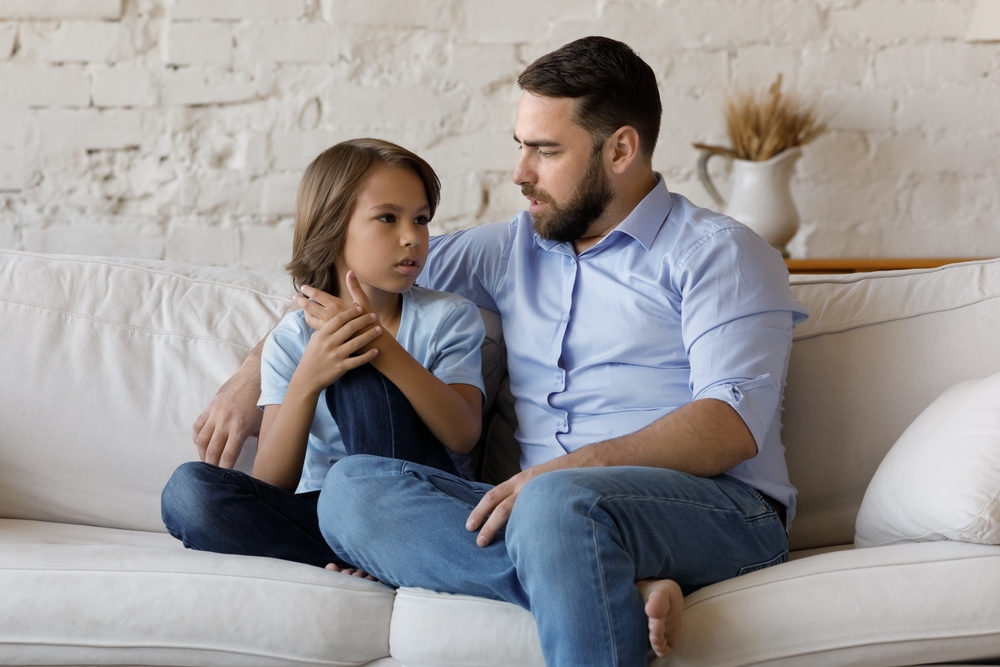
Parents are not the cause of school refusal but they are a crucial part of the solution. Treatment focuses on changing parental responses that unintentionally reinforce anxiety.
A. Validation
Validation does not mean agreeing with anxiety. It means acknowledging the child’s distress:
“I see how scared you are. This feels really hard right now.”
Children must feel understood before they can tolerate anxiety or attempt coping strategies.
B. Reducing Accommodations
Well-intentioned accommodations extra reassurance, frequent phone calls from school, early pickups can unintentionally maintain anxiety. From the child’s perspective, these actions signal danger.
Evidence-based approaches such as SPACE (Supportive Parenting for Anxious Childhood Emotions) help parents gradually reduce accommodations while remaining emotionally supportive. The focus is on changing parent behavior, not forcing or blaming the child.
C. Expectation and Confidence
Children need to feel their parents’ confidence:
“We know this is hard and we also know you can handle it.”
Clear, calm expectations paired with warmth and consistency are essential. Small incentives may be used to reinforce brave behavior, particularly early in treatment.
Component 3: Emotional Regulation Skills
While exposure drives improvement, children also benefit from learning skills to manage anxiety.
Common CBT-based techniques include: – Cognitive restructuring (challenging anxious thoughts) – Externalizing anxiety (e.g., the “worry monster”) – Deep breathing and relaxation techniques – Mindfulness and body awareness – Problem-solving skills – Role-playing feared situations – Positive self-talk and visualization
These tools help children tolerate distress and feel more empowered but they work best in conjunction with exposure, not as a replacement for it.
Component 4: Medication (When Appropriate)
Medication may be considered when anxiety is severe, persistent, and significantly impairing particularly if it interferes with a child’s ability to participate in therapy.
When used thoughtfully and monitored closely, medication can reduce symptom intensity enough to allow therapeutic work to proceed effectively. Medication is most effective when combined with behavioral and cognitive interventions.
When Should Parents Seek Professional Help for School Refusal?
School refusal is a distressing but highly treatable condition. When driven by anxiety, the most effective treatment involves a comprehensive, evidence-based approach that includes:
-
- Gradual exposure to school
-
- Targeted parenting interventions
-
- Emotional regulation and coping skills
-
- Medication when clinically indicated
Early intervention leads to better outcomes. If your child is struggling to attend school, working with a psychologist experienced in pediatric anxiety and school refusal can help your family regain stability and help your child build confidence, resilience, and long-term success.
School refusal rarely resolves on its own. The longer a child remains home, the harder it becomes to return.
Early, structured intervention dramatically improves outcomes.
If your child is struggling to attend school, working with a psychologist who specializes in evidence-based treatment for pediatric anxiety and school refusal can help restore stability and confidence.
Office: 201-639-4669
Telehealth available within New Jersey and New York
Frequently Asked Questions About School Refusal

Is school refusal the same as truancy?
No. Truancy typically involves rule-breaking without distress. School refusal involves significant emotional distress, usually anxiety.
Will school refusal go away on its own?
In most cases, no. Avoidance strengthens anxiety over time. Early intervention improves outcomes.
How long does treatment take?
Duration varies depending on severity and duration, but many children improve within weeks when exposure is implemented consistently.
What if my child refuses therapy?
Parent-focused interventions often begin the change process even if a child is initially resistant.
When is medication appropriate?
Medication may be appropriate when anxiety is severe or significantly impairing, particularly if it interferes with participation in therapy. This is a medical question and best discussed with a medical professional.


