

What the research says about how parents can reduce childhood anxiety and how your responses shape your child’s long-term wellbeing.
Table of Contents
- Understanding Childhood Anxiety
- What Parents Worry About
- The Parent-Child Anxiety Connection
- What Is Family Accommodation?
- The SPACE Treatment
- Other Evidence-Based Approaches
- What Makes Parental Involvement Effective
- 7 Practical Strategies to Start Today
- The Power of Parental Warmth
- Managing Your Own Anxiety
- When to Seek Professional Help
Understanding Childhood Anxiety
Anxiety is a normal part of childhood development. Toddlers commonly experience separation anxiety, preschoolers may fear the dark or monsters, and adolescents often worry about social acceptance. These fears typically fade as children grow. But sometimes anxiety becomes more than a passing phase and when it does, the parents who notice and seek help are almost always doing so out of deep love and attentiveness. If that’s you, you’re already doing something right.
If you’re wondering whether what you’re seeing crosses that line, our anxiety specialists can help you make sense of it.
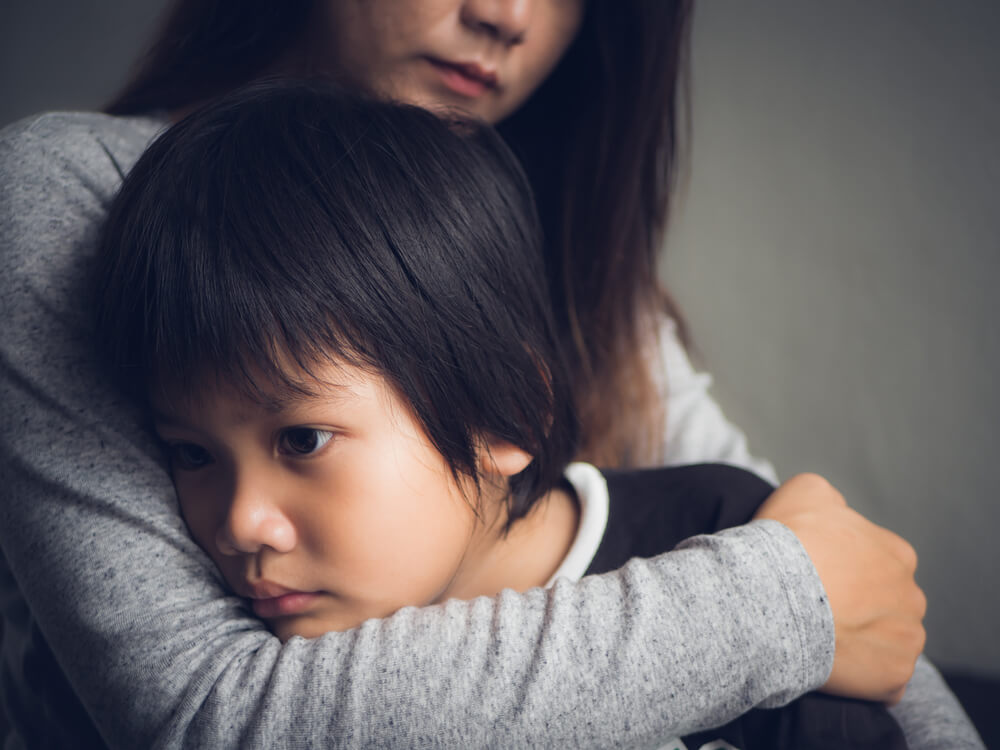
What Parents of Anxious Children Worry About
If you’re reading this, you likely recognize yourself in one or more of these concerns. They are some of the most common worries parents carry when a child struggles with anxiety and every single one of them is valid.

Will this affect their education?
Parents worry that school avoidance, test anxiety, or difficulty concentrating will cause their child to fall behind academically or miss key learning milestones.
Will they struggle to make friends?
Social anxiety and withdrawal can make it hard to build friendships, and parents fear their child will feel isolated, left out, or unable to develop the social skills they’ll need throughout life.
Will it get worse as they get older?
One of the biggest fears is that childhood anxiety won’t resolve on its own — that it will grow into a more severe disorder in adolescence or adulthood if not addressed early.
Am I making it worse?
Many parents quietly wonder whether something they’re doing — or not doing — is contributing to their child’s anxiety. This guilt can be heavy, even when the answer is far more nuanced than simply “yes” or “no.”
Will it hold them back in life?
From career choices to relationships to independence, parents worry that untreated anxiety will limit what their child believes they’re capable of — and what they’re willing to try.
Is something “wrong” with my child?
The stigma around mental health can make parents worry about labeling their child or what a diagnosis might mean for how others — including their child themselves — see them.
Childhood anxiety is among the most treatable mental health conditions we know of. With the right approach and a caring, engaged parent most anxious children improve significantly. The concerns above are real, but so is the hope.
When Does Anxiety Become a Disorder?
Anxiety becomes clinically significant when it persists beyond typical developmental stages, causes significant distress, interferes with daily functioning (school, friendships, family life), or leads to avoidance of age-appropriate activities.
Panic attacks · School refusal or inability to attend · Significant impairment in multiple life areas · Symptoms that persist or worsen despite your efforts
The Parent-Child Anxiety Connection
Research consistently shows that parental anxiety increases a child’s risk of developing anxiety disorders. But here’s what’s important to understand: this isn’t about blame. The transmission of anxiety happens through multiple pathways some genetic, some behavioral and understanding these pathways actually empowers you to break the cycle.
That statistic can sting. But this is not about blame. Anxiety runs in families through a mix of genetics and learned behavior neither of which reflects a failure of parenting. You didn’t choose to be anxious, and you didn’t choose to pass it on. What matters now is that the behaviors that connect parental and child anxiety are changeable and you are already taking the first step by being here.
How Anxiety Passes From Parent to Child
Both maternal and paternal worry influence child anxiety primarily through parenting behaviors and parenting behaviors can be changed. You have more power than you think.
What Is Family Accommodation?
When your child was distressed, you helped. When they were scared, you soothed. When a situation felt overwhelming for them, you stepped in. Every one of those responses was an act of love — and in the moment, it made complete sense. No caring parent watches their child suffer and does nothing.
Family accommodation describes these natural, loving responses: the ways parents adjust their own behavior to protect their child from anxiety or help them avoid situations that trigger it. The hard truth — and it is hard — is that research shows these well-intentioned responses can unintentionally keep anxiety going over time. Not because the love was wrong. But because anxiety feeds on avoidance, and every time a feared situation is escaped, it sends the child a message: “You couldn’t have handled that.”

Every accommodation behavior described below came from love. You stepped in because you couldn’t bear to watch your child suffer, and that instinct is exactly what makes you the right person to help them heal. Understanding accommodation isn’t about correcting a mistake — it’s about channeling that same care and attentiveness in a new direction. The warmth that drove these responses is not something to undo. It’s your greatest asset.
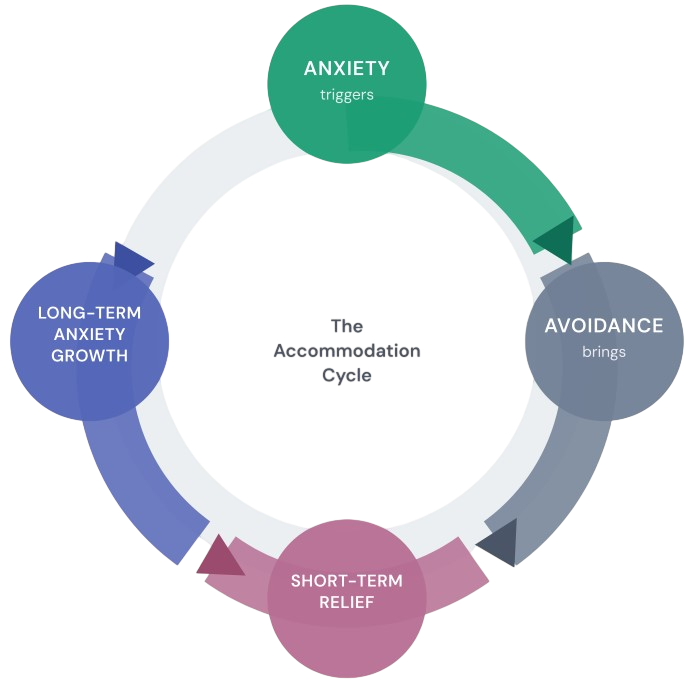
The anxiety-accommodation cycle: When parents accommodate a child’s anxiety, it provides immediate relief — but prevents the child from learning they can cope. Over time, this reinforces avoidance and increases anxiety severity.
Accommodation vs. Supportive Response
| Situation | ❌ Accommodation | ✅ Supportive Response |
|---|---|---|
| Child fears something bad will happen | “Don’t worry, nothing bad will happen.” | “I can see you’re worried. I know you can handle this.” |
| Child asks you to check the door again | “I’ll check one more time.” | “I understand you want me to check. I believe you can manage this uncomfortable feeling.” |
| Child doesn’t want to go to a birthday party | “Okay, you don’t have to go.” | “I know parties feel scary. We’re going to go, and I’ll be there to support you.” |
| Child won’t order at a restaurant | Parent orders for the child | Coach child, allow practice, wait patiently for child to try |
Higher bars indicate worse outcomes associated with high accommodation behaviors.
The SPACE Treatment: A Parent-Based Approach
SPACE (Supportive Parenting for Anxious Childhood Emotions) is a groundbreaking treatment that works entirely through parents — children don’t attend therapy sessions at all. Research has shown that SPACE is just as effective as traditional cognitive-behavioral therapy (CBT) delivered directly to children.
Program completion rate
Equally effective as direct child therapy
Child therapy sessions required

SPACE targets two key areas: (1) Reducing accommodation — parents systematically decrease ways they help their child avoid anxiety; and (2) Increasing supportive responses — parents validate feelings while expressing confidence in their child’s ability to cope.
Other Evidence-Based Parenting Approaches
Parent-Coached Exposure Therapy may be even more effective than traditional CBT while requiring fewer sessions. Parents learn to coach children through gradual exposure to feared situations in real life, not just in therapy sessions. Fear-Less Triple P is a 6-session group program with remarkable results: 84% of children were free of any anxiety diagnosis at 12-month follow-up. Cool Little Kids Online targets prevention in young children (ages 3–6) with inhibited temperament, helping parents stop anxiety before it takes hold.
Curious which approach is the right fit for your child? We’ll help you figure that out together.
What Makes Parental Involvement Effective
Research reveals a crucial finding: simply involving parents in treatment isn’t enough and can actually be harmful if done incorrectly. What matters is how parents are involved. Two key mechanisms predict long-term success:
Contingency Management
Using positive reinforcement to reward brave behavior (facing fears), not avoidance
Transfer of Control
Shifting skills from therapist → parent → child, so the child internalizes coping independently
Studies show that parental involvement without emphasis on these two mechanisms was actually associated with worse outcomes. But when parents are trained in these techniques, children show continued improvement even after treatment ends.
7 Practical Strategies You Can Start Today
- 1Identify Your Accommodation Patterns
Keep a simple log for one week. Note what situations trigger your child’s anxiety, how you respond, and what you do to help them avoid or escape the situation. Awareness is step one. - 2Choose One Accommodation to Reduce
Don’t try to change everything at once. Select one specific accommodation that causes significant family disruption or one you feel confident you can change. - 3Develop a Gradual Reduction Plan
If you currently answer 20 reassurance-seeking questions per day, don’t go to zero overnight. Reduce gradually: 20 → 15 → 10 → 5 → 2–3. - 4
Replace Accommodation with Supportive Responses
Validate feelings while expressing confidence in your child. Say “I can see you’re worried I know you can handle this” instead of “Don’t worry, nothing bad will happen.”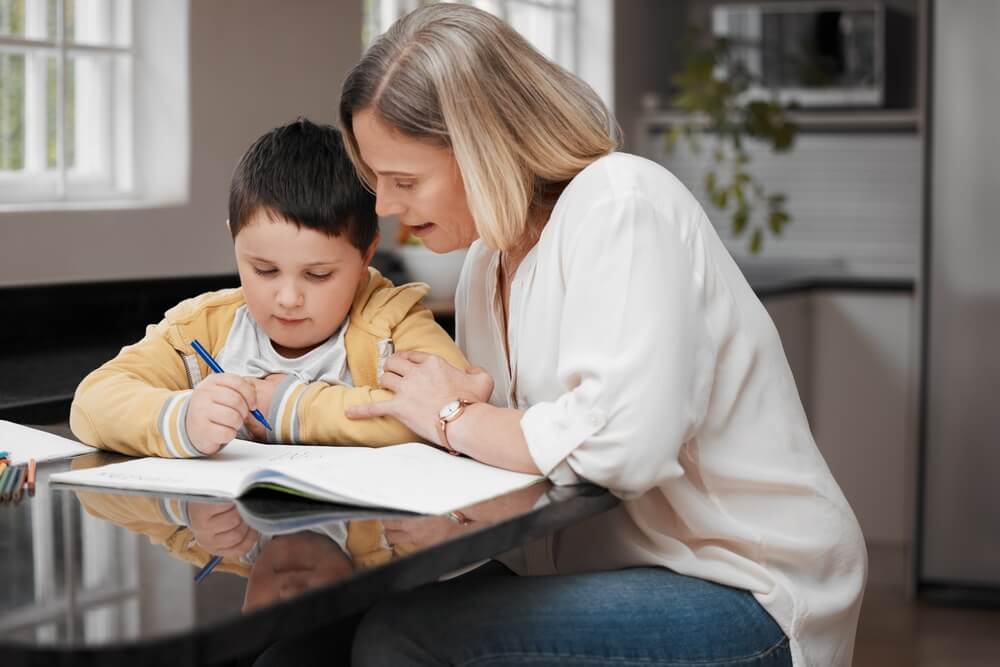
- 5Create a Fear Hierarchy Together
Work with your child to list feared situations from least to most scary (0–10 scale). For example: saying hello to a neighbor (3) → ordering food at a restaurant (5) → asking a question in class (7) → giving a presentation (9). - 6Practice Gradual Exposure
Start with situations rated 3–5 on the hierarchy challenging but not overwhelming. Practice frequently (daily if possible) and stay in the situation until anxiety decreases by at least half. - 7Use Rewards Strategically
Positive reinforcement for brave behavior enhances motivation. Celebrate your child’s efforts (not just successes) with praise, small rewards, or special privileges.
The Protective Power of Parental Warmth
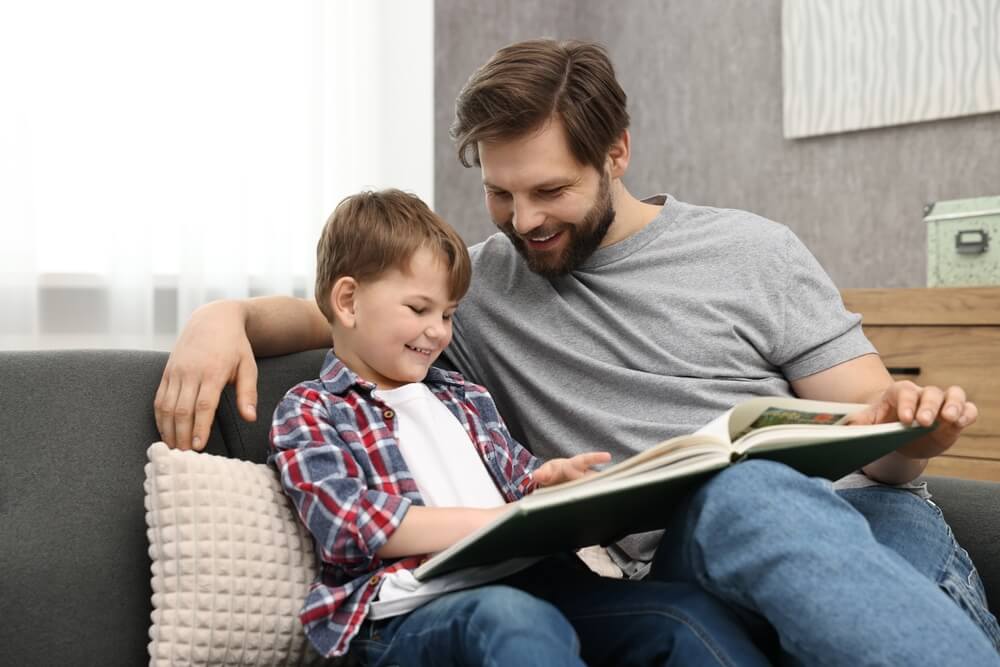
While reducing accommodation and encouraging exposure are crucial, research also highlights the protective role of parental warmth. Greater parental warmth is consistently associated with reduced risk and severity of anxiety across the lifespan and warmth can even buffer the negative effects of overprotective parenting.
Physical affection appropriate to your child’s age and preferences
Verbal expressions of love and unconditional acceptance
Genuine interest in your child’s thoughts, feelings, and activities
Responsiveness to emotional needs and a sense of safety in your relationship
You can be warm AND encourage your child to face fears. You can validate their feelings AND express confidence in their ability to cope. Warmth and appropriate expectations are not opposites they work together.
Managing Your Own Anxiety
If you struggle with anxiety yourself, addressing it isn’t just good for you it’s good for your child. Research shows that when parents manage their own anxiety, their children’s treatment outcomes improve significantly.
Recognize how your own anxiety influences your parenting · Notice when you’re modeling anxious responses · Practice the same coping strategies you’re teaching your child · Consider your own therapy if anxiety significantly impacts your functioning · Remember: managing your anxiety is one of the most powerful things you can do for your child.
When to Seek Professional Help
Parent-led strategies are appropriate for mild to moderate symptoms with recent onset, when your child can still attend school and maintain friendships, and when you feel capable of implementing the strategies consistently.
| Factor | ❌ Seek Professional Help | ✅ Parent-Led Strategies May Be Enough |
|---|---|---|
| Symptom severity | Moderate to severe | Mild to moderate |
| School attendance | Refusing or unable to attend | Still attending school |
| Duration | Persists after 6–8 weeks of effort | Recent onset |
| Panic attacks | Yes — seek evaluation | Not present |
| Other conditions | Depression, ADHD, other anxiety disorders | Anxiety is the primary concern |
Cognitive-behavioral therapy (CBT) is the first-line treatment for childhood anxiety. For moderate to severe cases, medication may be recommended, and combination treatment (CBT plus medication) shows the best outcomes for more severe presentations.


